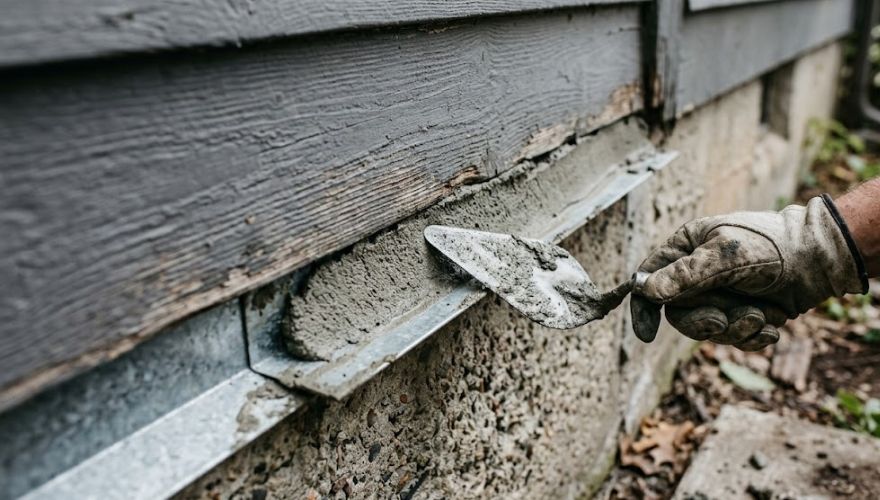
 Species-specific sealing
What Rat Proofing Addresses
Rat proofing focuses on the entry points and structural conditions that allow Norway rats and roof rats to access Huntsville buildings. The distinction from general exclusion matters because rat-sized entry points (1.5-2 inches and larger) require different materials than the quarter-inch gaps house mice use. Foam alone is not adequate for rat-sized openings -- rats chew through it. Effective rat proofing uses stainless steel mesh, hardware cloth, concrete mortar, and structural-grade materials that resist a rat's physical force and gnawing capability.
Rat-Proofing by Entry Zone
Roofline (roof rats)
Stainless steel mesh at open soffits, hardware cloth at fascia gaps, mesh backing at plumbing stacks, attic vent screen repair or replacement.
Foundation (Norway rats)
Concrete mortar at foundation-level masonry gaps, hardware cloth with concrete anchor at crawl space openings, steel plate over drainage-adjacent voids.
Utility entries
Expanding foam with hardware cloth mesh insert at HVAC, plumbing, and electrical wall penetrations -- foam alone is inadequate against rat gnawing.
Crawl space vents
Hardware cloth replacement or overlay (quarter-inch minimum mesh) at deteriorated crawl space ventilation screens -- primary Norway rat entry in older Huntsville housing.
Tree and canopy clearance
We identify tree limbs within 6 feet of the roofline providing roof rat access and document trimming requirements -- though tree work itself is outside our scope.
Garage and door perimeter
Garage door side and bottom seal assessment; door sweep installation on entry doors adjacent to garage or utility areas where Norway rats travel.
When to Get Rat Proofing
Rat proofing is most effective immediately following a completed removal -- before exterior pressure repopulates the property. It can also be done as standalone prevention on properties without active infestation but with high-risk conditions: mature canopy contact with the roofline, open crawl space vents, or aging fascia. We also recommend a rat-proofing inspection after any roofing work, HVAC replacement, or significant exterior renovation -- these projects routinely create new entry points that were not present before the work.
Frequently Asked Questions
What's the difference between rat proofing and general rodent exclusion?
Rat proofing focuses specifically on larger gaps used by Norway and roof rats -- typically 1.5 inches or larger, requiring structural materials like hardware cloth and concrete mortar. General exclusion also addresses smaller gaps used by house mice. On a full exclusion job, rat proofing is the rat-specific component.
Does rat proofing require removal first?
Not necessarily. If there is no active infestation, rat proofing is a standalone prevention service. If active infestation exists, removal comes first -- proofing while rats are inside can trap animals in the structure. We assess during inspection and recommend the right sequence.
Can rats chew through the sealing materials you use?
Hardware cloth, stainless steel mesh, and concrete mortar resist rat gnawing. Foam is only used with mesh backing on rat-accessible gaps. We never use foam alone as the primary seal on a rat-sized opening.
How long does rat proofing last?
Properly installed rat proofing with appropriate materials lasts many years. The main risk is new gaps from settling, weather damage, or renovation. We recommend annual perimeter checks on older Huntsville properties.
Do you proof the whole property or just where rats entered?
We inspect the whole property, identify all significant entry points, then prioritize by severity and likely species use. Sealing only the confirmed entry while leaving nearby similar gaps often results in rats finding the next closest opening within weeks.