 When you smell it but can't find it
Locating Dead Rodents in Huntsville Properties
Dead rodent odor in a Huntsville home almost always means the carcass is inside a wall void, in the attic, beneath the flooring, or in a crawl space -- locations where the animal died out of sight. The odor from a single dead rat in a wall void is distinctive and strong within 24-48 hours of death, peaks at 3-5 days depending on temperature, and can persist for 2-4 weeks even after the carcass has fully desiccated.
Huntsville's warm climate accelerates decomposition, which intensifies the odor during the peak window and shortens the overall decay timeline compared to cooler climates. A single dead Norway rat in a wall cavity adjacent to a living room creates a genuinely unlivable smell for 1-2 weeks without intervention.
The challenge is location. A carcass can be anywhere within a wall void system, and the odor diffuses through wall cavities and HVAC supply paths in ways that make the source direction difficult to determine from odor alone. We use a combination of odor gradient assessment, thermal scanning, and structural knowledge of how rodents travel in typical Huntsville construction to narrow the location before any exploratory opening is made.
Our Dead Rodent Removal Process
Location Assessment
We assess the odor gradient across the affected area, check accessible spaces (attic, crawl space) first before any wall opening is required, and use thermal imaging where available to identify the carcass location within wall cavities. We minimize unnecessary wall openings by being methodical about location before cutting.
Access and Extraction
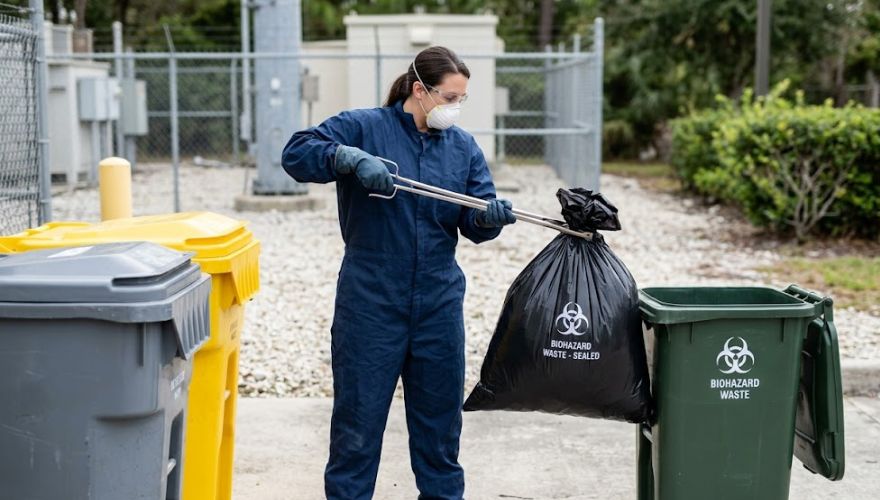
Once located, we access the carcass using the least invasive method appropriate for the location -- crawl space or attic access where possible, wall opening as a last resort. All extraction is done with appropriate PPE including gloves and respiratory protection. Carcasses are placed in sealed disposal bags.
Sanitization of the Carcass Site
The site from which the carcass was removed is sanitized with disinfectant solution to address bacteria, fly eggs, and other decomposition byproducts left at the location. This step is important even when the carcass is removed -- decomposition fluids on the structural surface continue to off-gas and can sustain odor for weeks after removal without treatment.
Odor Treatment
Enzyme-based odor neutralizer is applied to the carcass site and, where odor has diffused, to the surrounding area. For wall void situations, we can apply through small access holes before patching. Deodorization treatment for the room air space addresses residual ambient odor.
Why Dead Rodents Mean a Colony Is Present
A single dead rodent in a Huntsville home is almost never an isolated animal. Rats and mice found dead in wall voids typically died from secondary exposure to rodenticide bait placed by a prior treatment, from natural causes within an established colony, or from physical injury within a colony's territorial activity. In any of these cases, the dead animal's presence confirms that a live colony is or recently was active in the structure. We include a full inspection with every dead rodent removal call to assess current infestation status and identify any open entry points.
Frequently Asked Questions
How do I find a dead rat in a wall?
Odor gradient assessment -- moving systematically along the wall and identifying where the smell is strongest -- narrows the location. Checking accessible spaces (attic above, crawl space below) before opening walls often reveals the carcass without any wall damage. We bring thermal imaging to assist when the location is unclear from odor alone.
How long will the smell last after the dead rat is removed?
Removing the carcass eliminates the primary odor source. Residual odor from decomposition fluids on the structural surface where the animal died can persist 3-7 days without enzyme treatment. With enzyme sanitization at the site and air deodorization, most situations resolve within 24-48 hours after treatment.
Do you patch the wall if it needs to be opened?
We perform the minimum access opening necessary and close the access point after extraction and sanitization. For drywall openings, we leave the patch in a cleanable state -- we're not general contractors, and finish drywall patching and painting is your call after the opening is made.
Could the dead rat have come from my own bait station?
Possibly, if you have bait stations on the property. Secondary rodenticide poisoning from exterior bait is a common cause of dead rodents in wall voids -- the animal consumed bait outside and died in the structure before the symptoms became debilitating. This doesn't change the removal or sanitization approach.
Should I be worried about disease from a dead rat?
Decomposing rodents support fly activity (blowflies lay eggs within hours of death) and bacterial growth. Direct contact with a carcass without PPE is inadvisable. Airborne disease risk from a single decomposing carcass is low but not zero -- we use appropriate respiratory protection during removal and sanitize the site to eliminate ongoing biological hazard.